
Flossy and Boo | Recipient of the 2026 grant
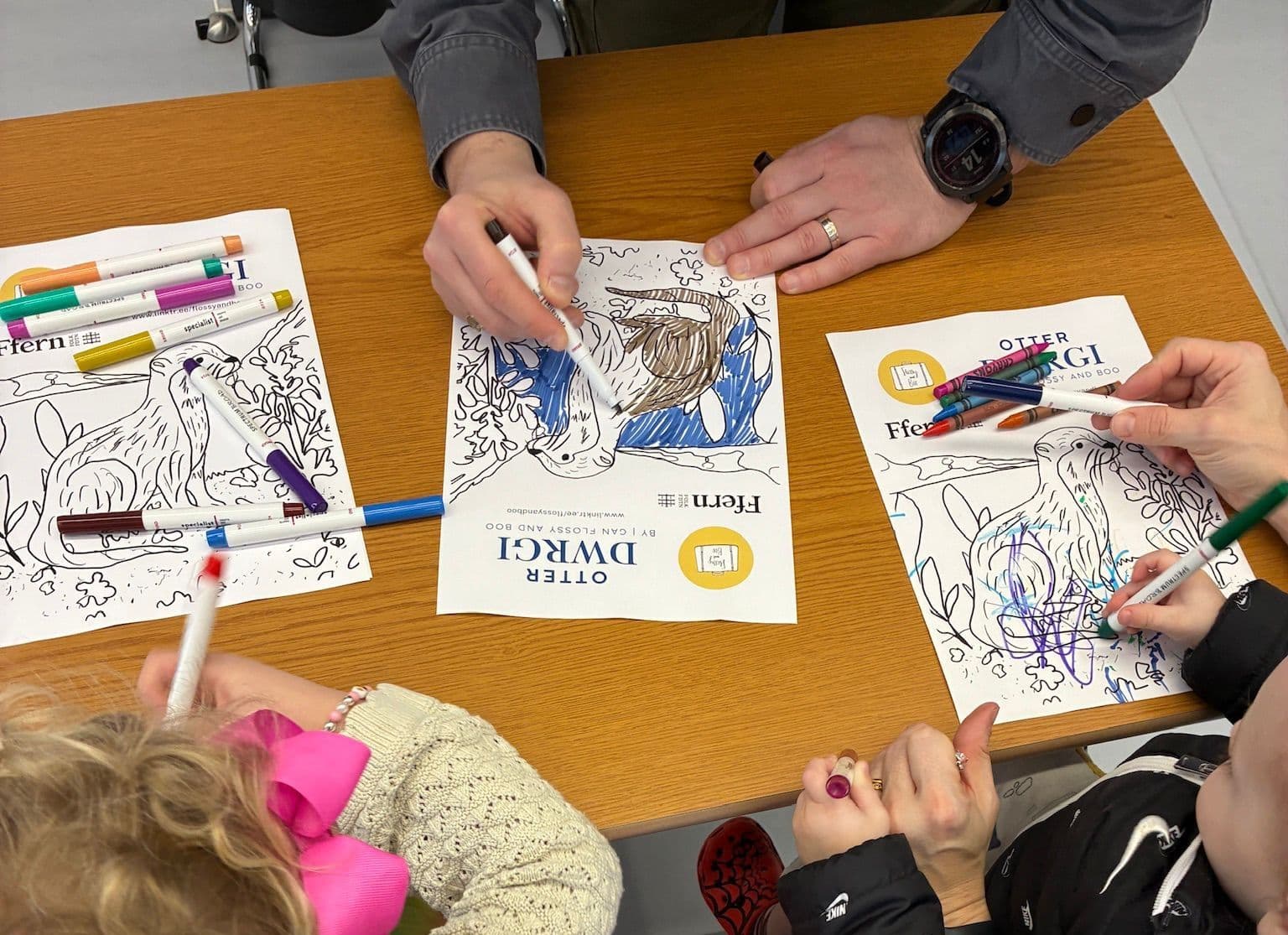
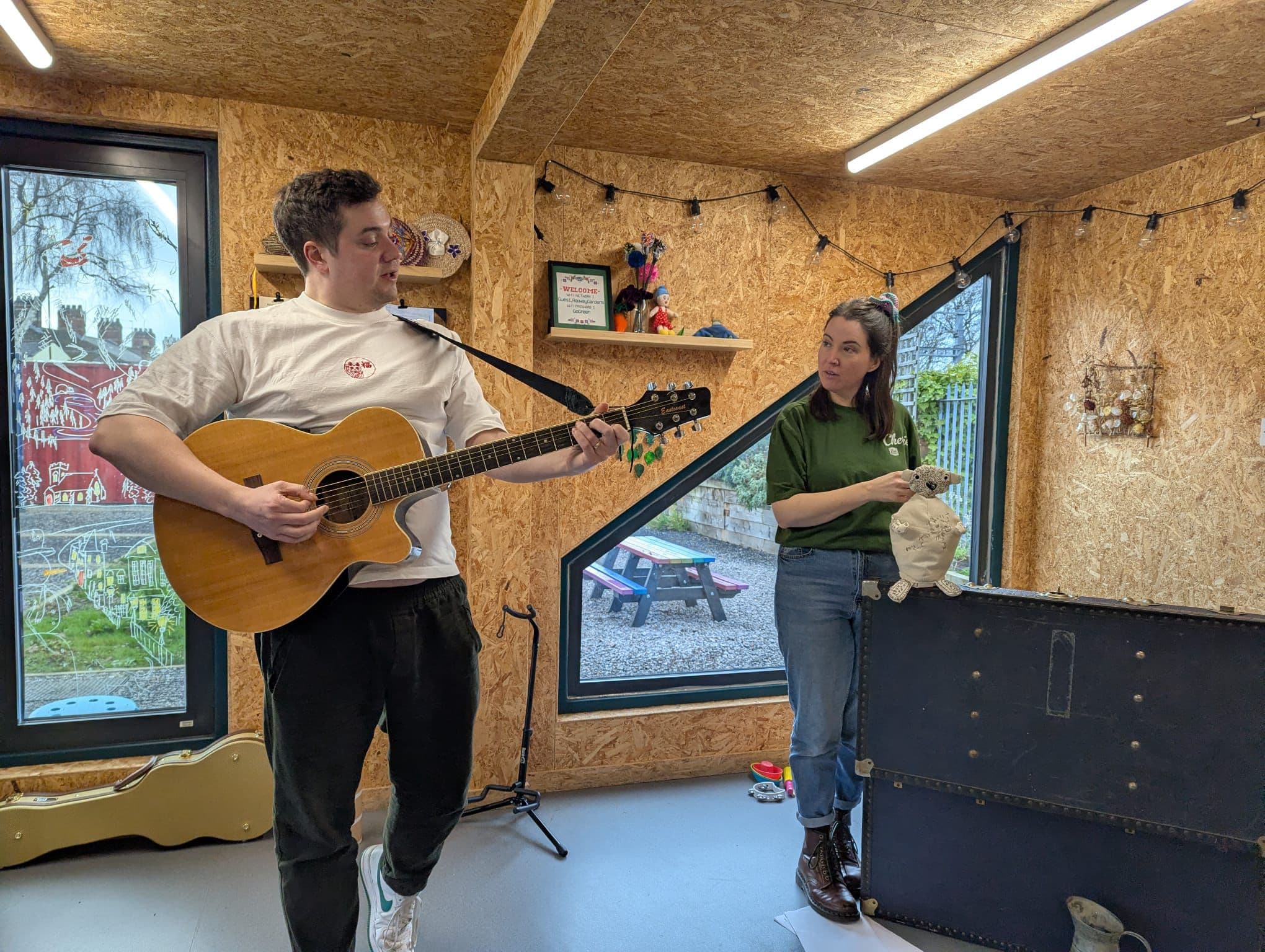
Founded in 2014, Flossy and Boo are an early years theatre company created by Welsh duo Anja Conti and Laura Jeffs. They create interactive, bilingual Welsh and English storytelling experiences aimed at children under five, along with their families. With the support of the Ffern Folk Foundation, Anja and Laura will develop a new open-air theatre production Dwrgi (‘Otter’), which follows the story of a young otter travelling through the Welsh countryside, meeting all manner of mythical creatures along the way.
In Discussion
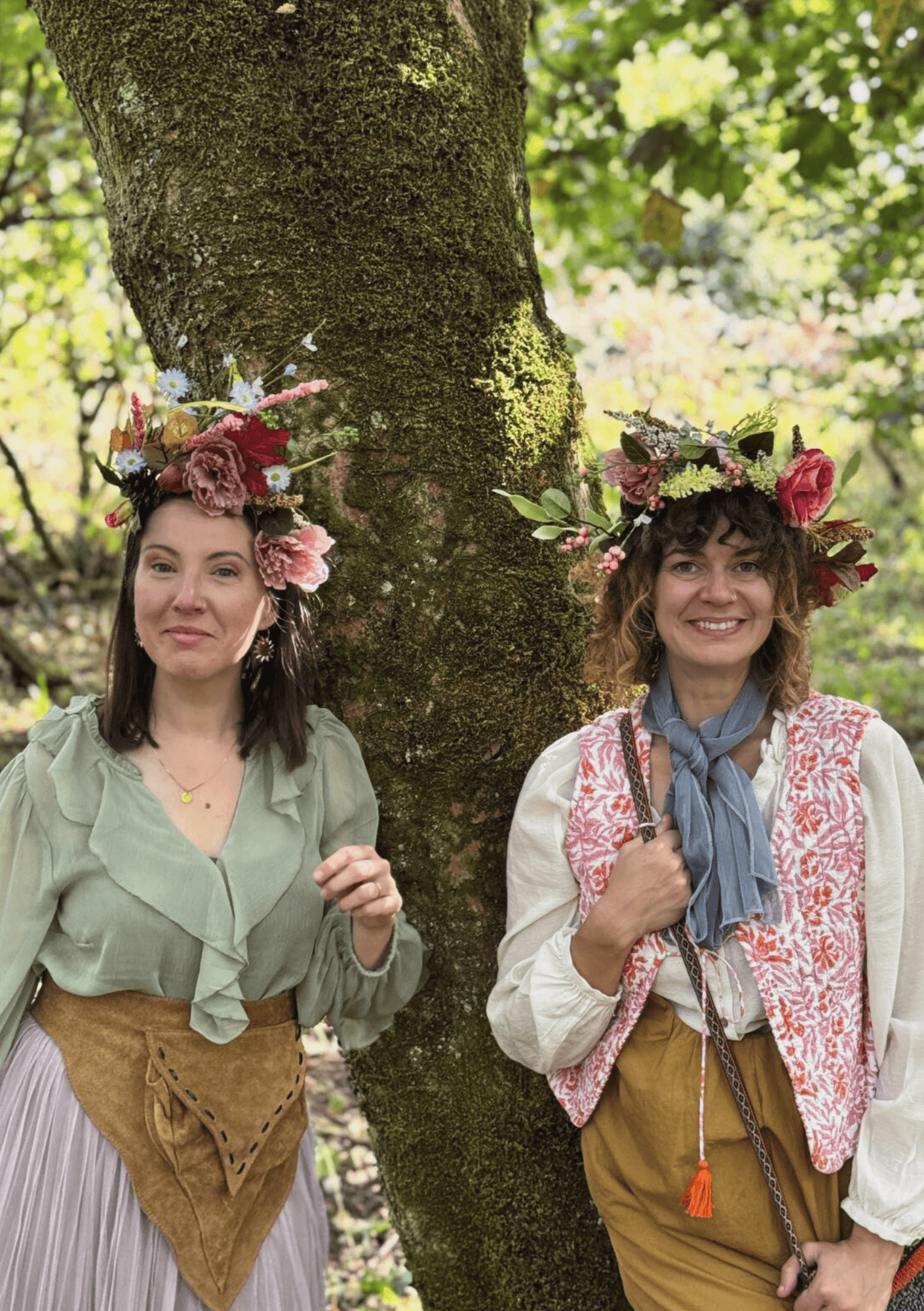
Can you describe who you are, and tell us a little bit about Flossy and Boo?
Hello and shwmae, we’re Flossy and Boo, a South Wales-based theatre company. We make interactive and imaginative work that looks at the world from an unconventional point of view.
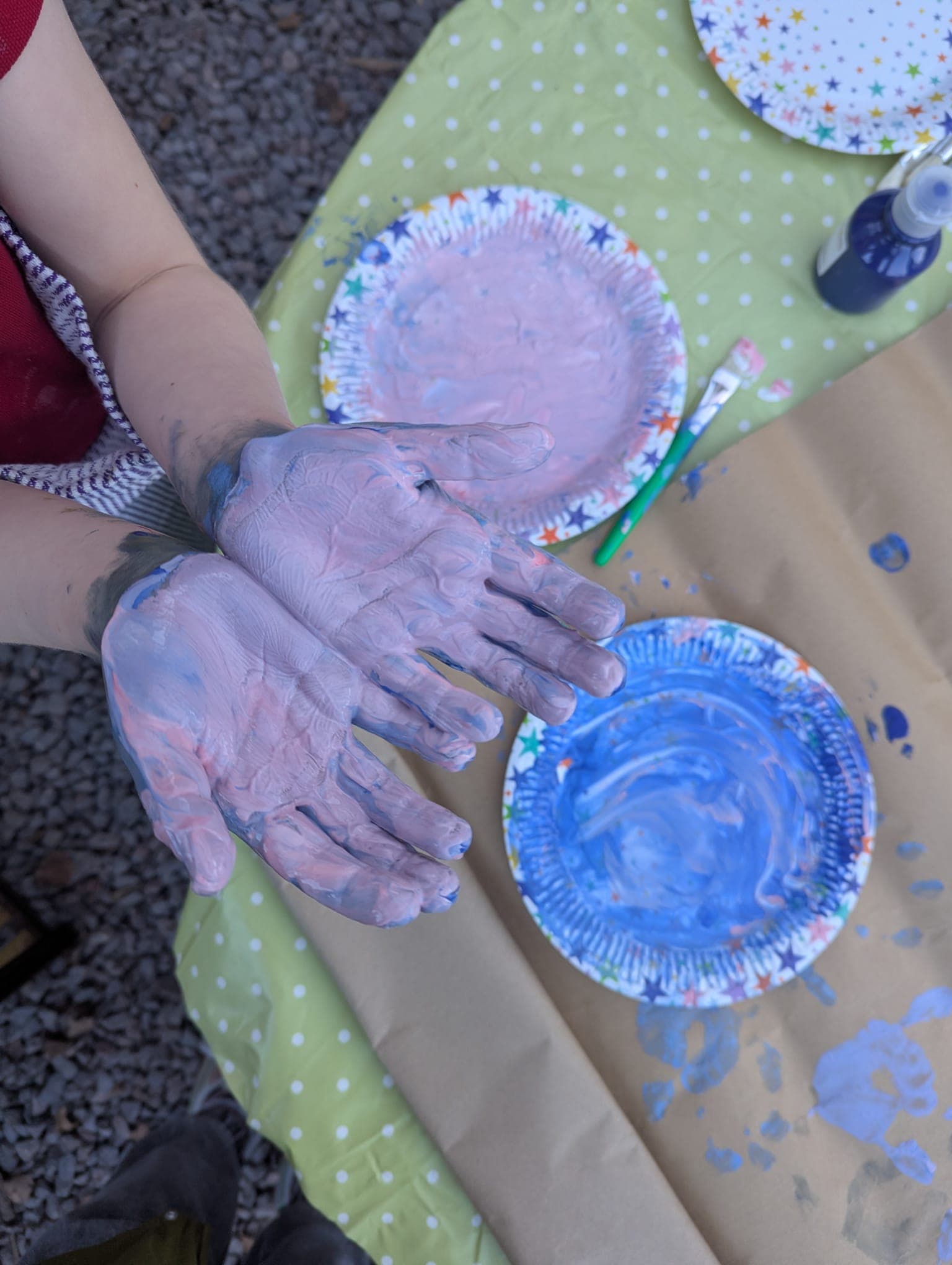
We work with families, teenagers, new parents, young people with health concerns, unpaid carers, grandparents, babies and so many more. We create in a collaborative way and make work that spans a number of styles and genres. We are constantly looking at new ways to break down barriers for families and to learn about what works best with our communities.
"We want to help give young people a tangible connection to their surroundings, whether this is with their local natural world or with their local and national communities."
In a time where children's access to community and nature appears to be challenged, why do you think your work is especially important now?
The impact of the pandemic has been huge on our industry. We have seen more anxiety around leaving the house and being around lots of people. More and more often, when we meet children at our performances and workshops, it is their first ever experience of going to something like this.
We've also definitely seen more reliance on screens. Technology can be really wonderful, but on the flip side, we are becoming more physically isolated, and this rise in screen usage has also highlighted the socio economic gaps around digital poverty.
What do you hope to achieve with the support of the Ffern Folk Foundation?
Some of the biggest barriers facing our communities are geographical and economic - this funding means we can connect with even more people than we have managed to before.
Although Wales is a small nation, it can feel quite disconnected with many small towns not on main transport links. With Ffern’s support, we hope to get into the smaller venues and be able to connect with families that wouldn’t usually be able to access this kind of theatre.
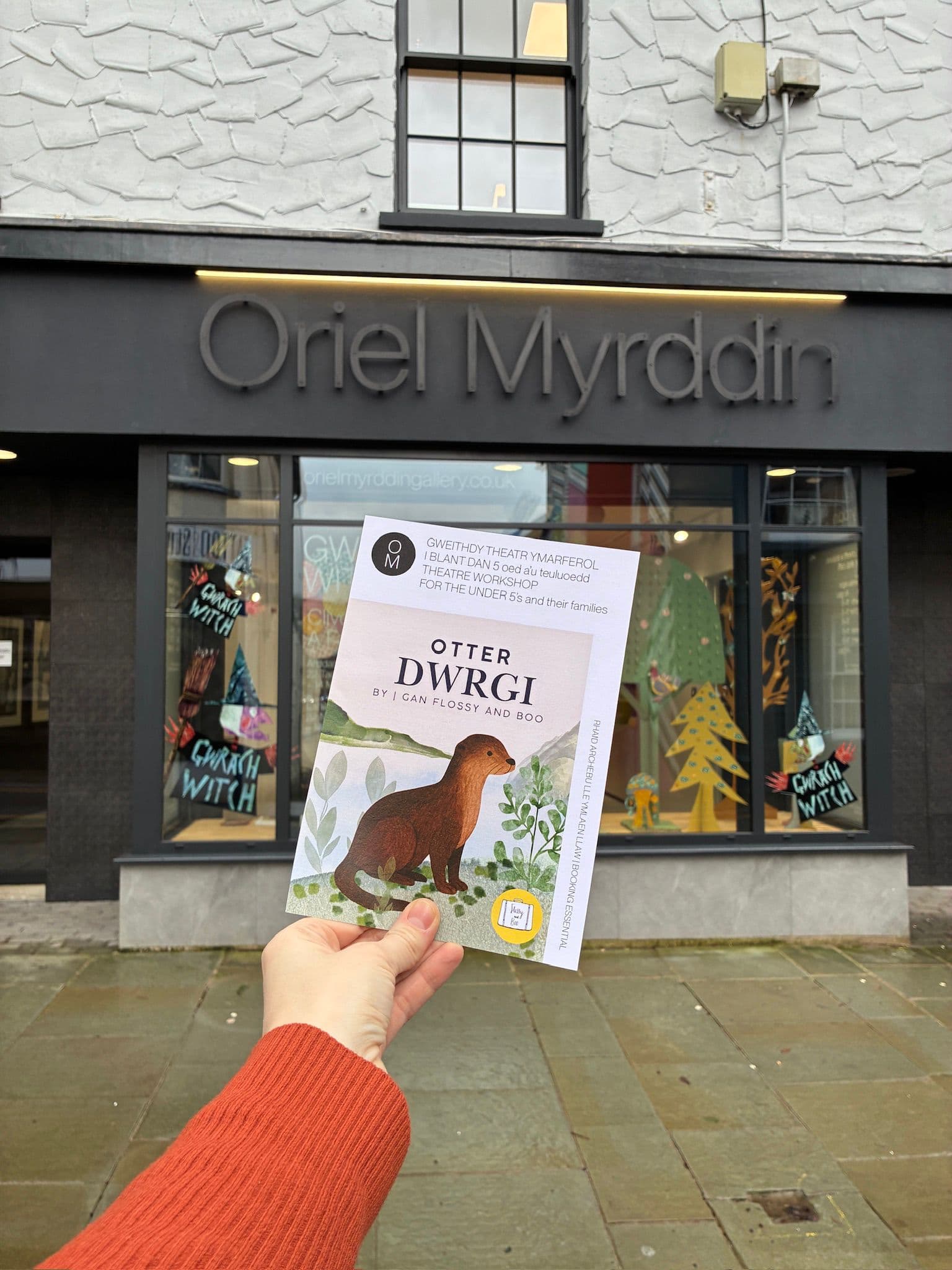
Dwrgi, the otter is a key part of the work you will be doing. Could you introduce us to her? Who is she, and what can we expect to find her up to?
Dwrgi, the otter, is playful, adventurous and a bit cheeky. Otters pop up in a lot of Celtic folklore, and in these stories, water is thought to be a liminal space. Because of this, animals moving between land and water were seen as mediators between the human world and the Otherworld (Annwn). Otters inherited some of this mystique, and are often viewed as enchanted creatures, occasionally associated with transformed humans or fairy beings living in waterways.
With a splash and a splish// You can go where you wish// Diving into this watery tale.// With fur all a-quiver// As you swim down the river// Just follow the otter's trail
Gyda sblish a sblash llon// Cei ddilyn dy galon// A deifio i ddyfroedd y stori.// Â ffwr balch a bodlon// Wrth nofio lawr yr afon// Dilyna lwybr y dwrgi.
We can’t wait to share Dwrgi’s story with you all. It’s going to be beautiful.
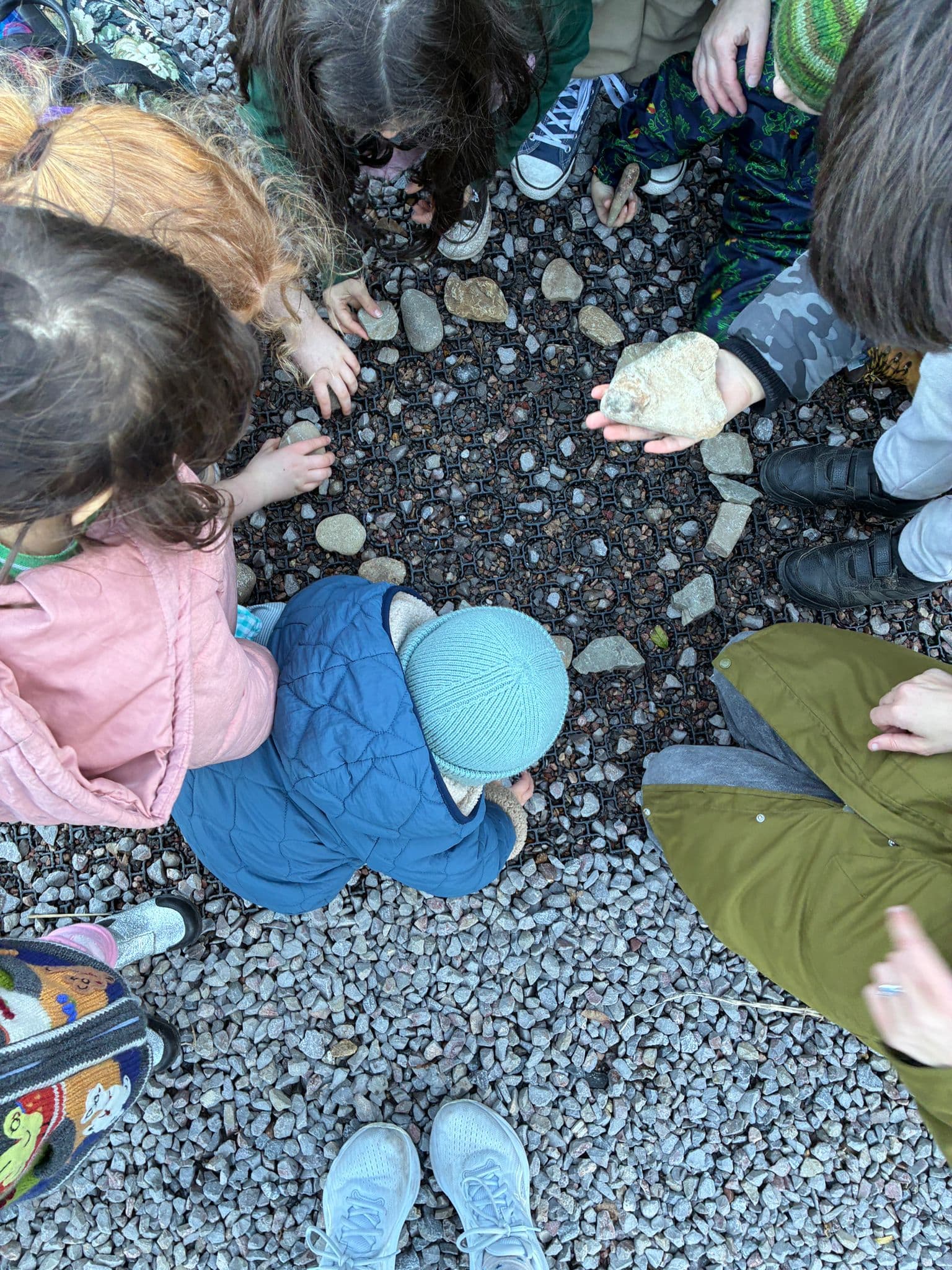
We are so excited to attend some of the workshops that you will put on to develop Dwrgi. Could you explain why it is so important and beneficial that the community take an active role in the development of your show?
Interaction is at the heart of our work, and this comes into play in all sorts of ways. Whether this is playing games, choosing paths for characters, deciding the order of a show, or even deciding on the story itself.
The joy of seeing children recognise one of their ideas in a theatre performance is magical - we have seen firsthand how this can boost confidence in their creativity.
"The joy of seeing children recognise one of their ideas in a theatre performance is magical - we have seen firsthand how this can boost confidence in their creativity."
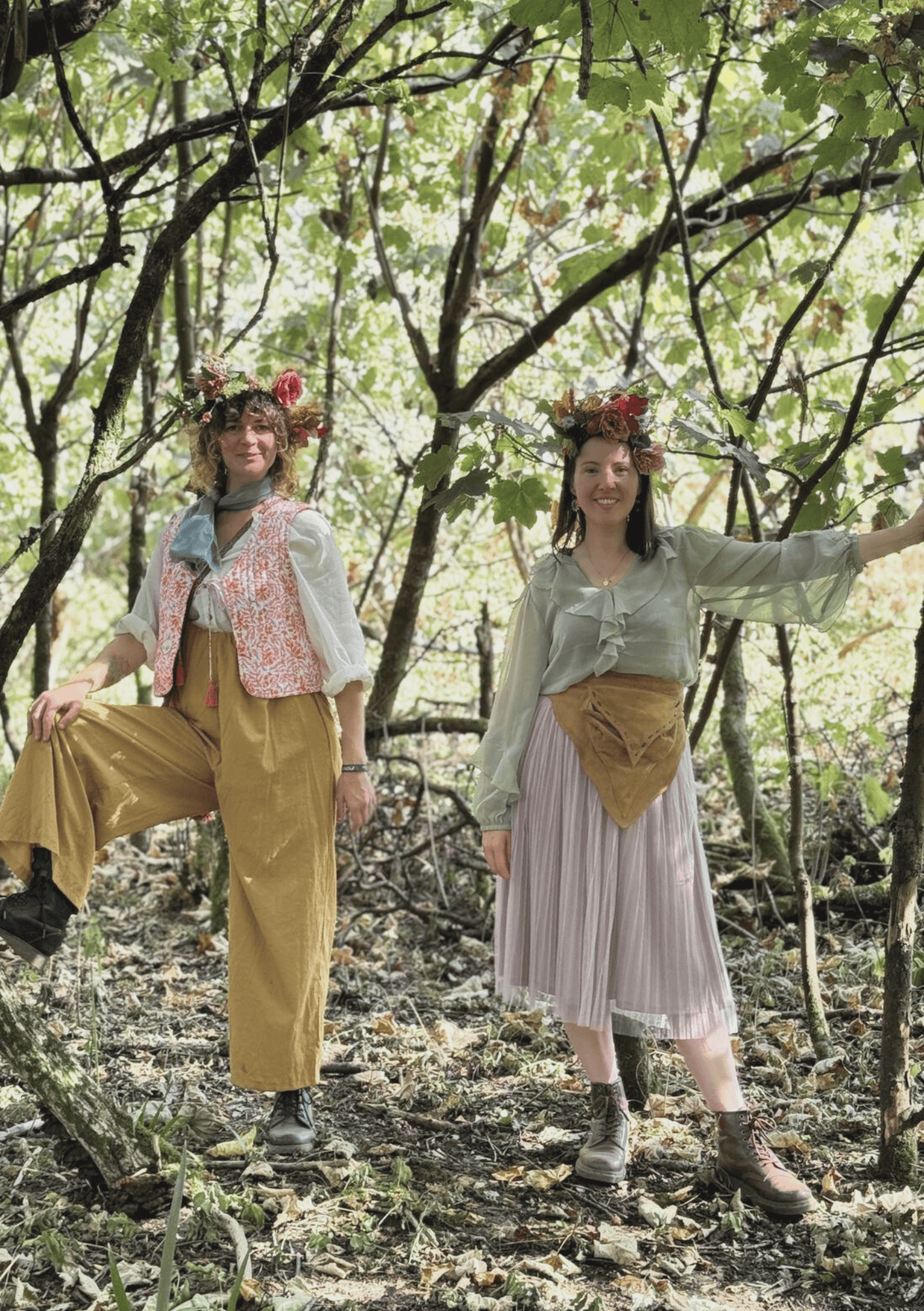
At the heart of your proposal is this sense of bilingualism - seeing it as a way to energise Welsh cultural heritage. With Welsh fluency declining amongst children, how important is it that the Welsh language has a central place within your practice?
Using bilingualism in our live performance pieces is relatively new to us actually, but this trajectory follows our own personal journeys with the Welsh language.
Anja (Flossy) grew up speaking Welsh, but as an adult she lost her confidence. When she had her son, she was determined to get back to speaking Welsh. She set up a mum’s group whilst on maternity leave, and many of the mums encouraged each other. Some of their children are now attending Welsh school and nursery.
We are determined to encourage people to learn and speak whatever Welsh they can. We want to create a safe and gentle space to explore language together as families. We want the language to be seen for how gorgeous and important it is.
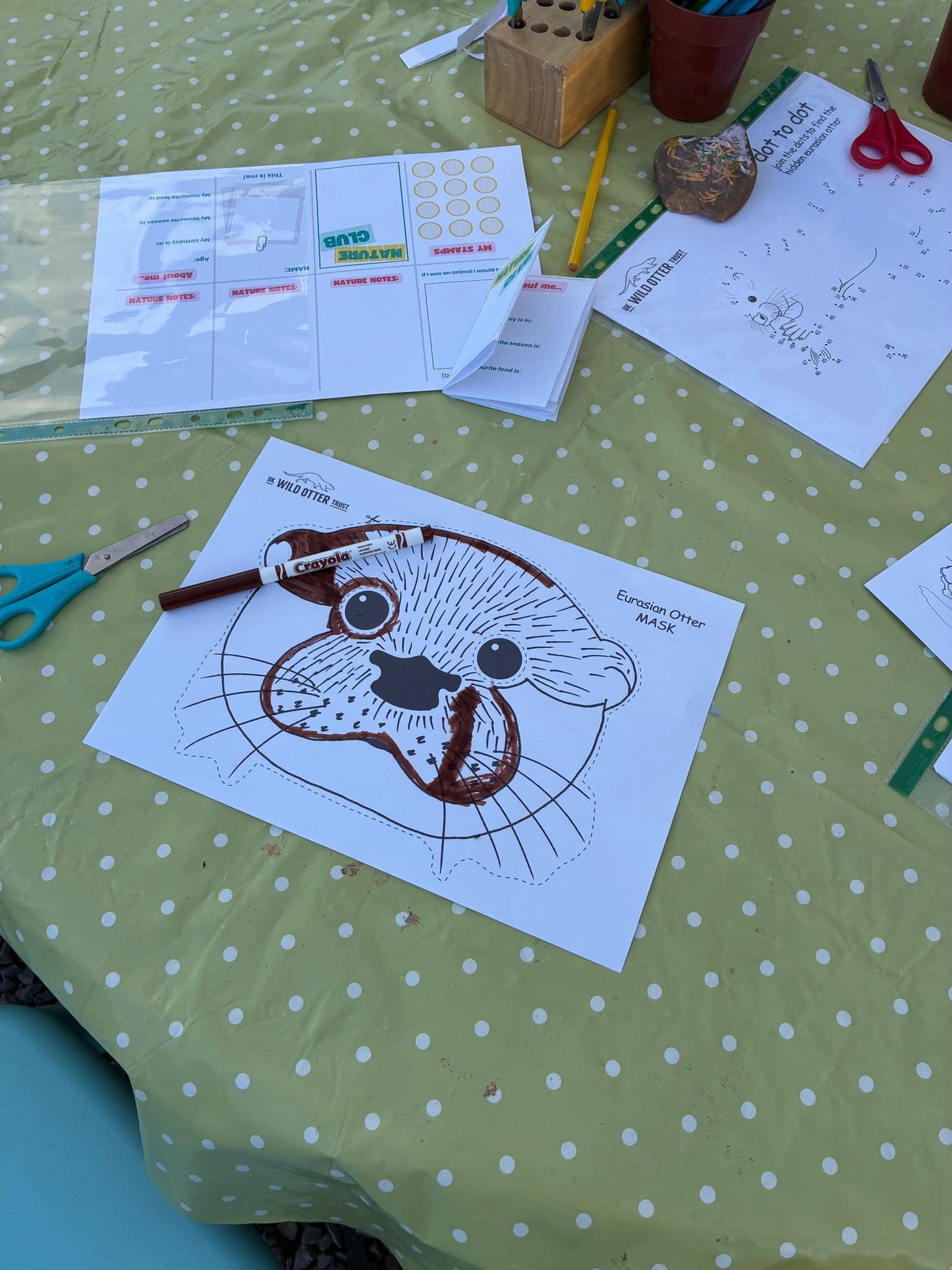
Finally, can you teach us some Welsh words that may come in handy when we come to attend Dwrgi?
Dwrgi (pronounced “do-rgee”): otter, literally translates as ‘water dog’ Afon (pronounced “ahv-on”): river Bore da (pronounced BOH-reh DAH): good morning Prynhawn da (pronounced PRIN-hown dah): good afternoon Diolch (pronounced DEE-olkh): thank you.
Interview by Daniel Farnham. Photos courtesy of Flossy and Boo.