
Manchester Urban Diggers (MUD) | Recipient of the 2026 grant
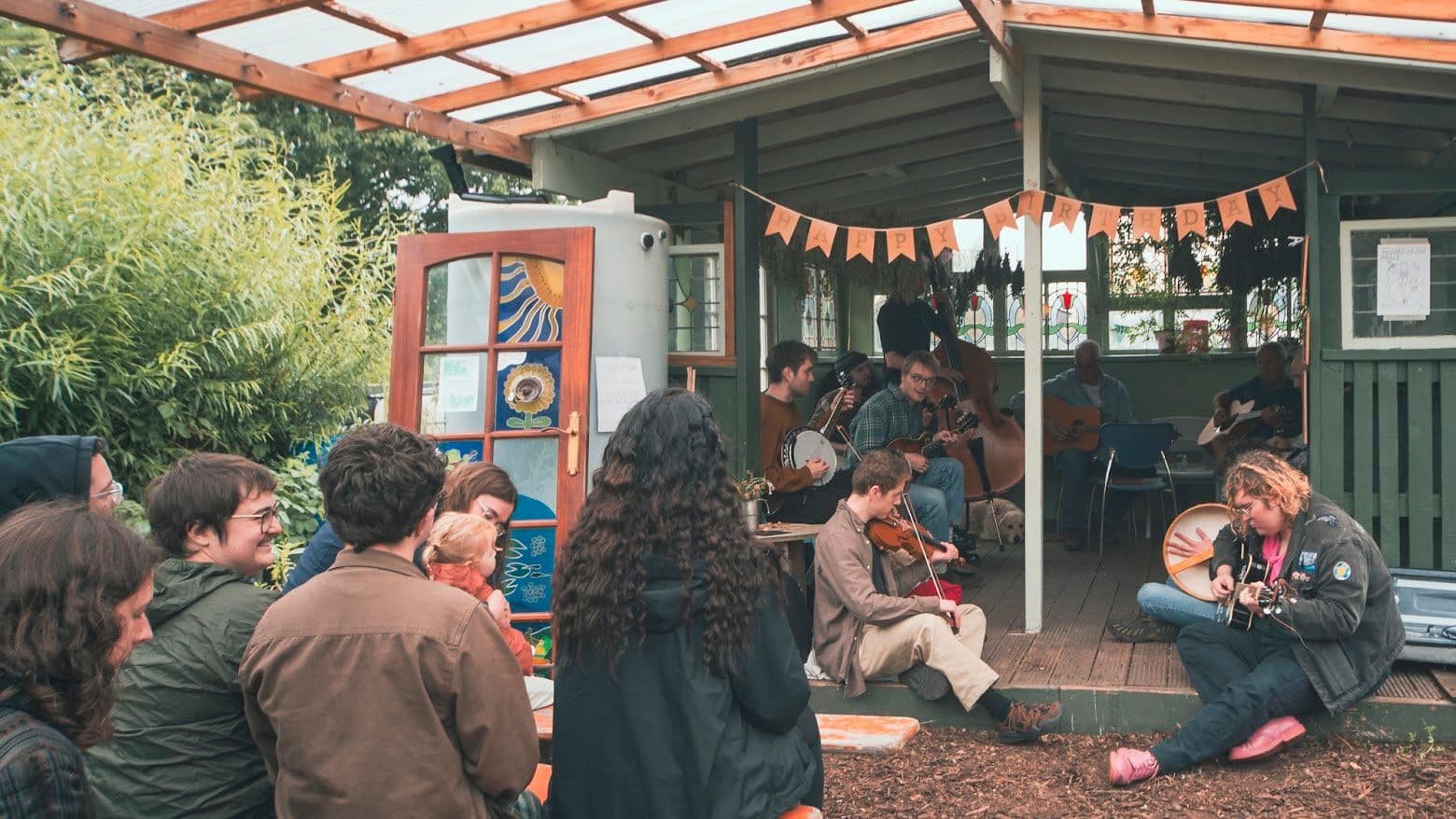
Founded in 2019, Manchester Urban Diggers (M.U.D) is an agri-cultural Community Interest Company based in Manchester. Creating gardens in urban spaces, they encourage people to explore food and nature together. With the support of the Ffern Folk Foundation, M.U.D will develop a series of community-led workshops and seasonal events oriented around the spring equinox and harvest festival. These events will be held at M.U.D’s Platt Fields Market Garden, where people from all demographics can learn about ecology, community, and food sovereignty.
In Discussion
Can you describe who you are, and what your motivation for starting MUD was?
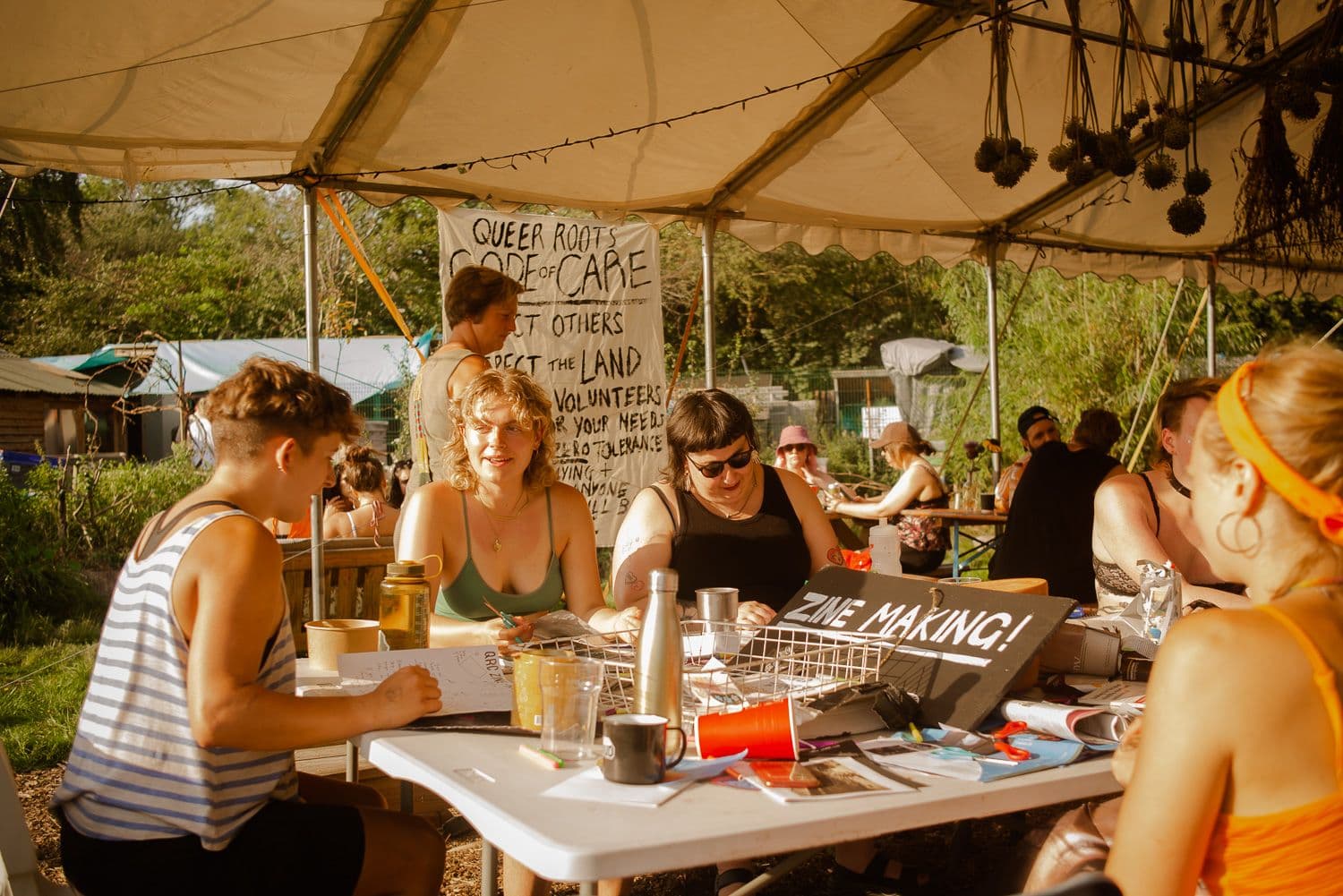
We’re MUD; our co-founders are Sam Payne, Jo Payne and Mike Hodson. We started Platt Fields Market Garden as a group of friends in 2017 after completing FarmStart - an organic farming training course run by the Kindling Trust. After finishing our course, we were offered the keys to an old bowling green in Platt Fields Park, which is when Platt Fields Market Garden was born. We started by converting it into traditional market garden beds for food growing. We gave out the food to the local community, and put the donations we received back into helping the project grow.
Growing up in a city, we didn’t have much access to green space, local food or even much of a local community besides church or school. We really wanted to create a space that could bring those elements together.
Your full name is 'Manchester Urban Diggers'. Can you explain how that came about?
In 2019 we sat down in our kitchen and set aside a day to give ourselves a name (and it did take all day…)! We ended on a Manchester Urban Diggers, partly because of the convenient acronym, and partly as a reference to the Diggers (or True Levellers), who, in 1649, began growing vegetables on common land at St George’s Hill in Weybridge, Surrey. They were ordinary people, asserting their rights to feed themselves in the face of high food prices and the increasing enclosure of common land by large aristocratic estates.
It is still extremely difficult to access land in the UK if you don’t inherit it, and it’s particularly inaccessible if you grow up in a city. We have written more about this on a blog here.
What do you hope to achieve with the support of the Ffern Folk Foundation?
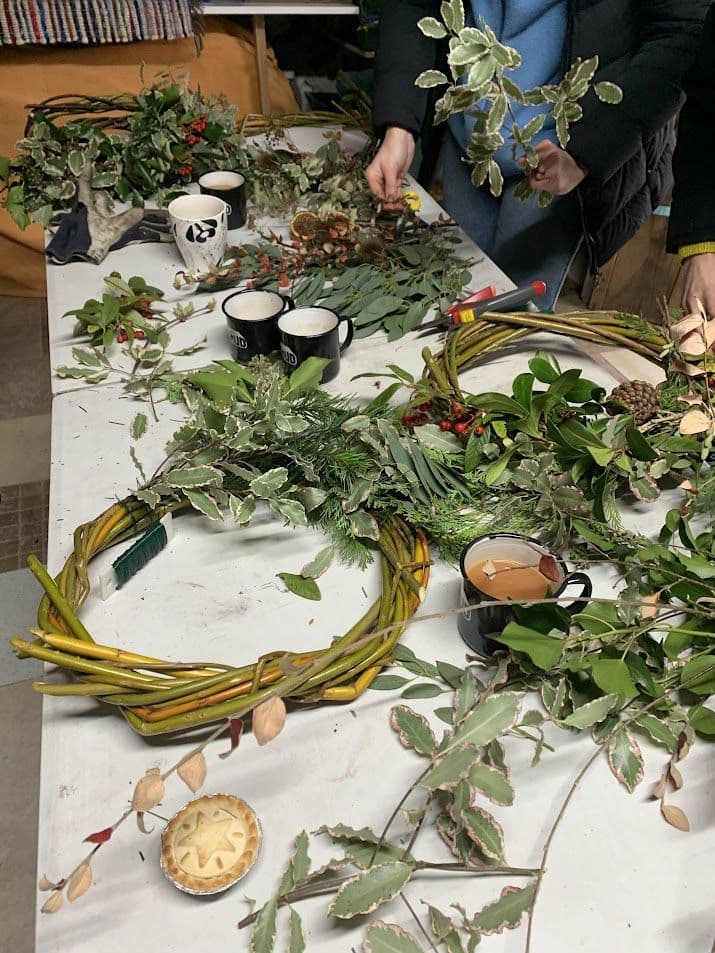
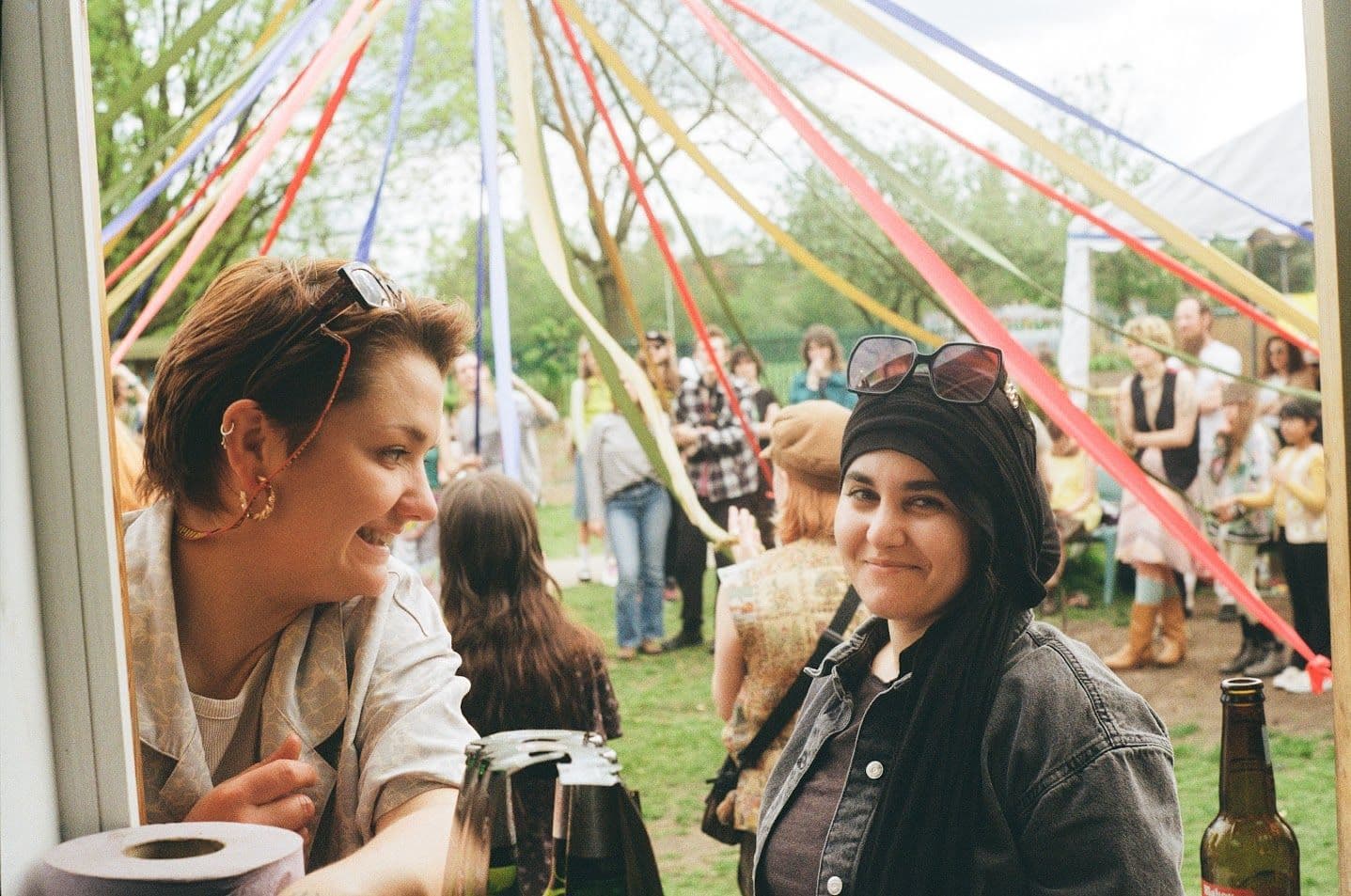
We will run two large community events, built around folk arts and practices which connect to nature, ecology, food growing and the seasons. The idea is to create space for people to develop shared rituals, art and stories, for the place we’re in now, and into the future.
In Manchester, our community is made up of people whose heritages stretch out across the whole world - and most people here don’t live in close connection with the land. Our wish is that through bringing British folk practices to people originating from other places and cultures, we can develop new shared stories and build a more cohesive community.
"Those of us who make and practice folk arts and traditions, need to recognise it as a vital interchange between ordinary people, not owned or authorised by any particular group."
Can you tell us about a significant shift you’ve seen since MUD started?
Before Covid, we were really focused on just setting up the garden and making the space work. But during lockdown, many people discovered how much being outside, gardening and interacting with nature could support their mental health.
Things were difficult for so many of us during that time, and it caused a long-term change. The number of people needing mental health support remains high, and there’s been a normalisation and acceptance of seeking that support. It’s out of this context that therapeutic horticulture became such a central part of our work.
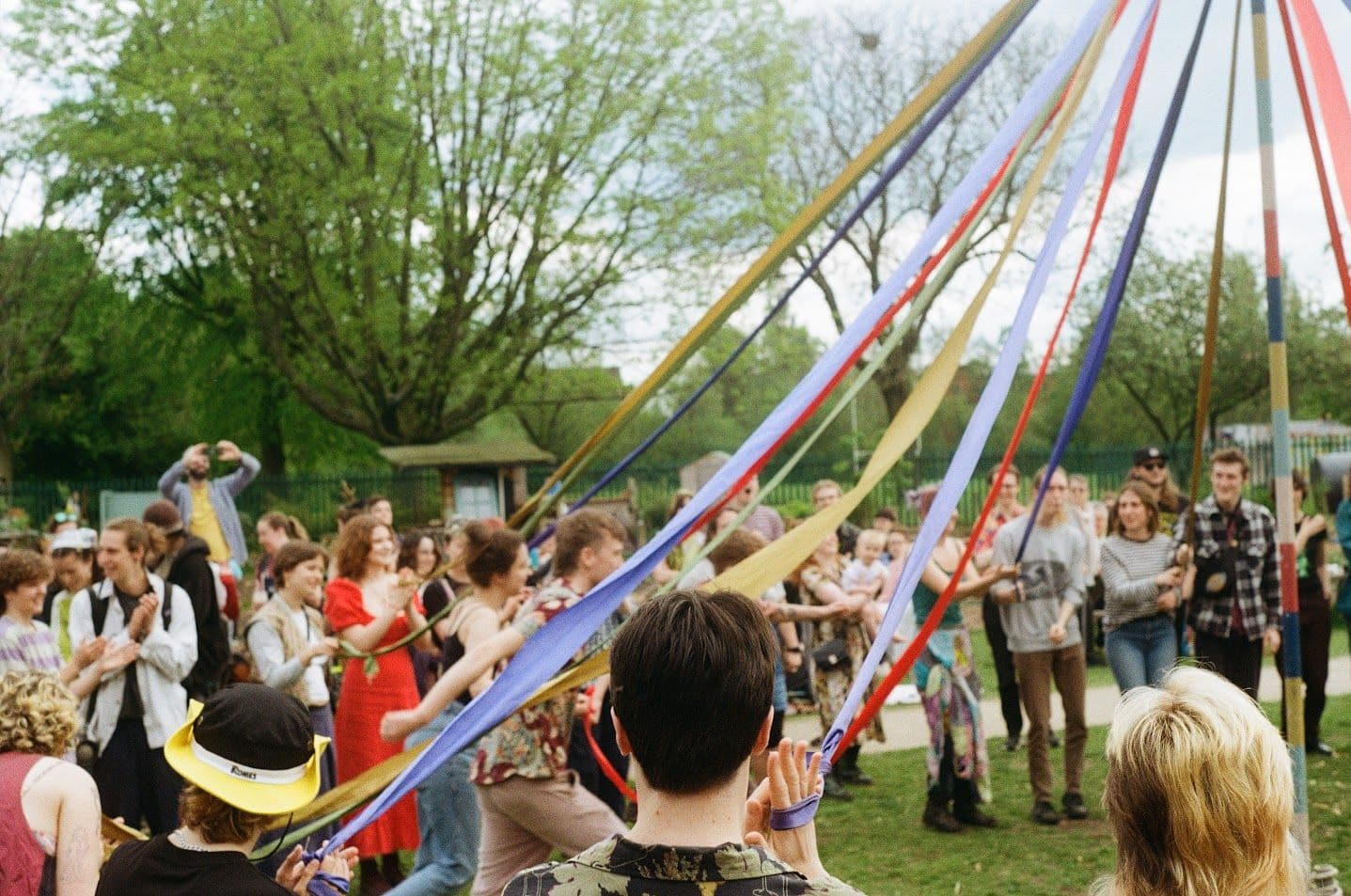
You empower your local communities to take ownership of your projects from root to fruit. Can you dwell on the importance of this, particularly within the context of inner-city Britain?
The loss of public assets - shared places such as youth clubs, community centres and libraries, where people can come together without needing to spend money - is a huge driver for social isolation and fragmentation in our cities. In the 2010s for example, the North West faced 29% spending cuts per person, the largest in the UK outside of London.
Without these spaces, it is increasingly hard for people to form meaningful communities. This can leave people feeling lonely and spiritually unfulfilled.
"The idea is to create space for people to develop shared rituals, art and stories, for the place we’re in now, and into the future."
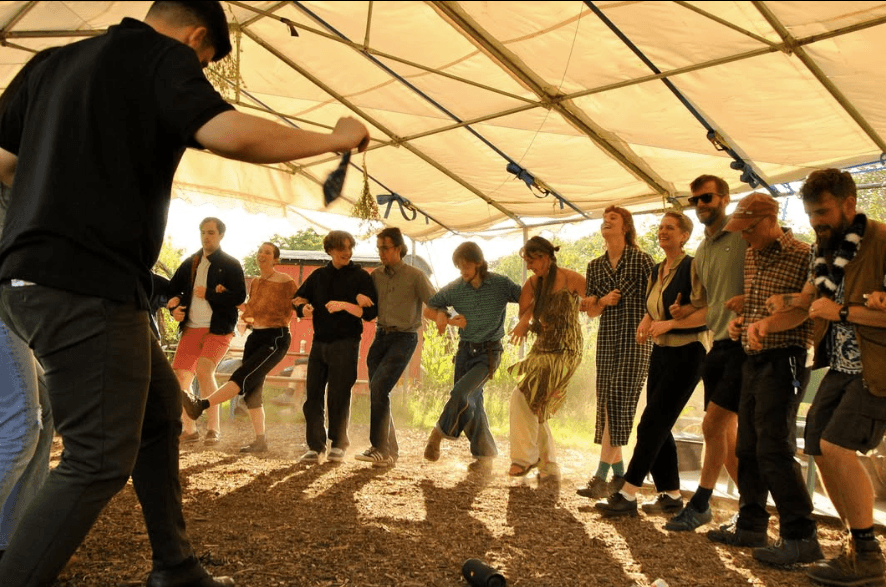
The diversity that is found in Britain’s cities is of a huge benefit to our cultural footprint. Yet access to ‘folk’ and nature tends to be monocultural. Happily, this is changing, but what more do you think needs to be done?
Absolutely more needs to be done to address this. First of all, I think we need to rethink our conception of what ‘folk’ is. It is not a particular set of aesthetics or practices - an ossified vision of the genuine traditions that emerged in the British Isles under earlier conditions. Folk is, really, about the ongoing, living traditions of art, music and practice that ordinary people make together.
Those of us who make and practice folk arts and traditions, need to recognise it as a vital interchange between ordinary people, not owned or authorised by any particular group. At MUD, we are looking to put that belief into practice in the spaces we occupy - whether we’re curating a festival or organising a session in a pub back room.
Interview by Daniel Farnham. Photography courtesy of MUD, Mister Obat & Atticus Prior.